Are You Breathing Wrong in Your Sleep?
Most people don't realize that how they breathe during sleep is just as important as how long they sleep. If you wake up with a dry mouth, sore throat, or feeling unrested despite 8 hours of sleep—you might be a mouth breather.
In Dubai's dry, air-conditioned environments, mouth breathing becomes even more problematic. The good news? Simple solutions like nose strips and mouth tape can dramatically improve your sleep quality overnight.
"Nasal breathing is the body's first line of defense against pathogens, and it's essential for optimal oxygen absorption and sleep quality."
Why Nasal Breathing Matters
Your nose is designed to be your primary breathing organ. It's not just a passive air intake—it's an active filtration, humidification, and optimization system that prepares air for your lungs in ways your mouth simply cannot.
Filtration
Nose hairs and mucous membranes trap dust, allergens, and pathogens before they reach your lungs. Dubai's sandstorms make this especially critical.
Humidification
The nasal passages add moisture to incoming air, preventing the dry throat and airways that come with mouth breathing in AC environments.
Nitric Oxide Production
Nasal breathing produces nitric oxide, a molecule that dilates blood vessels and improves oxygen absorption by up to 20%.
Nervous System Regulation
Nasal breathing activates the parasympathetic nervous system, promoting deeper, more restorative sleep cycles.
Health Problems Caused by Mouth Breathing
Chronic Mouth Breathing Can Lead To:
- • Snoring and Sleep Apnea – The tongue falls back more easily, obstructing airways
- • Chronic Dry Mouth – Leading to bad breath, tooth decay, and gum disease
- • Poor Sleep Quality – Less oxygen means less restorative deep sleep
- • Facial Development Issues – In children, can cause "long face syndrome"
- • Increased Anxiety – Mouth breathing activates fight-or-flight response
- • Higher Blood Pressure – Due to reduced nitric oxide production
Of adults breathe through their mouth during sleep
Better oxygen absorption with nasal breathing
Reduction in snoring with nose strips
How to Switch to Nasal Breathing
The good news is that you can train yourself to breathe through your nose while sleeping. Here are the most effective methods, from simple to more advanced:
Nasal Strips (Breathe Right)
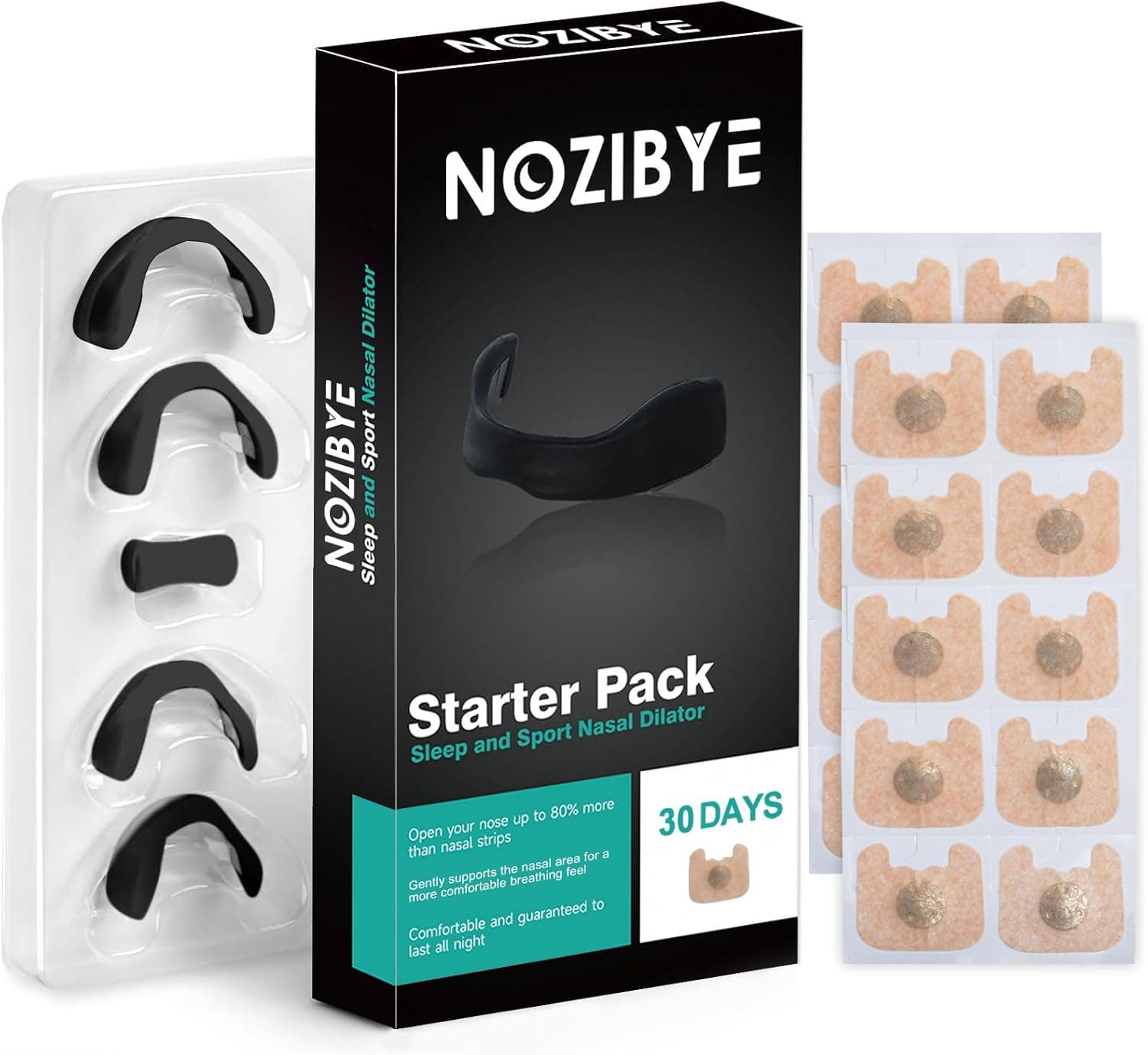
These adhesive strips physically open your nasal passages by 38%, making it easier to breathe through your nose. They're drug-free, comfortable, and provide instant relief.
Mouth Tape
Purpose-made mouth tape gently keeps lips together during sleep, training your body to breathe nasally. Start slowly if you're anxious about it—your body will adapt quickly.
Optimize Your Environment
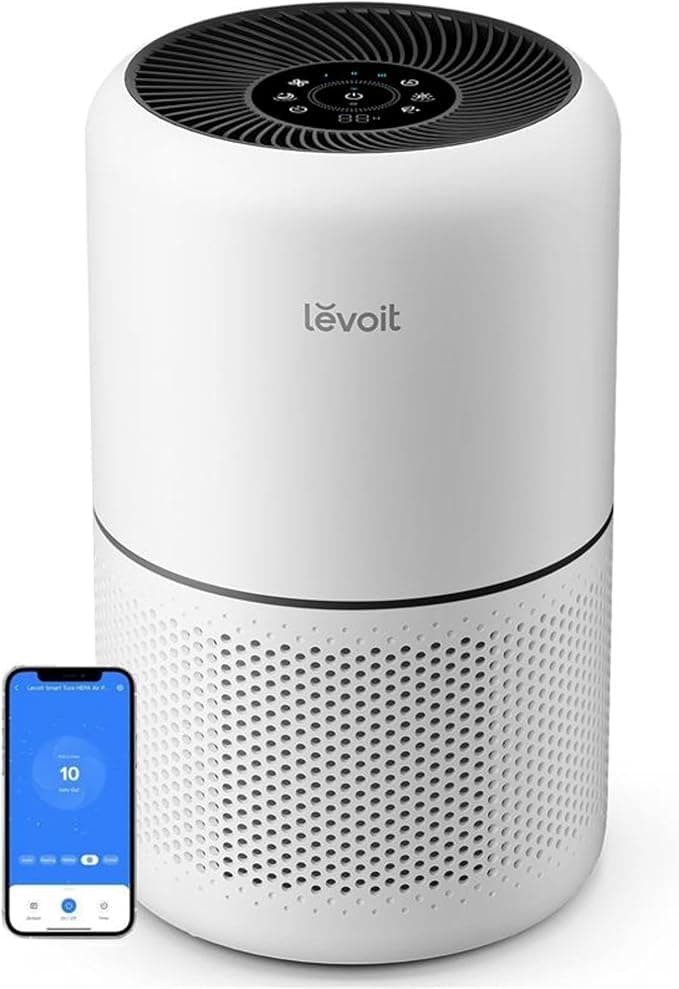
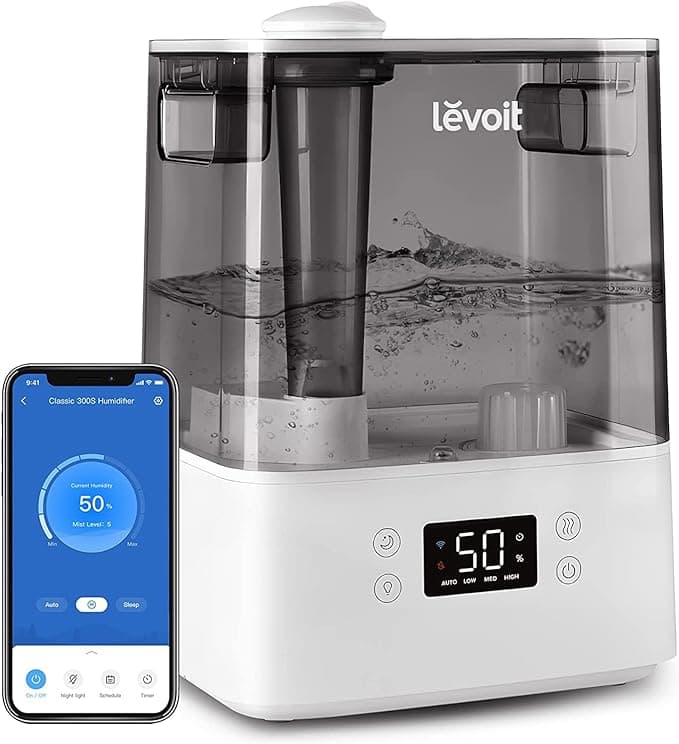
Dubai's dry air makes nasal breathing harder. Use a humidifier to add moisture, and an air purifier to reduce allergens that cause nasal congestion.
Daytime Practice
Consciously breathe through your nose during the day. Set hourly reminders. Over time, nasal breathing becomes automatic and carries into your sleep.
Why This Matters Even More in Dubai
Dubai's environment presents unique challenges for nasal breathing:
- •Constant AC – Air conditioning removes humidity, drying out nasal passages and making mouth breathing more likely
- •Sandstorms & Dust – Particulate matter irritates nasal passages, causing congestion
- •Indoor Allergens – Sealed buildings trap dust mites and mold spores
Combining nose strips with a humidifier and air purifier addresses all these factors, making nasal breathing easier and more comfortable throughout the night.
What to Expect
Within 1-3 Nights
- • Less dry mouth upon waking
- • Reduced or eliminated snoring
- • Partner reports quieter sleep
Within 1-2 Weeks
- • More energy upon waking
- • Better focus during the day
- • Reduced morning grogginess
Within 1 Month
- • Nasal breathing becomes natural
- • Improved sleep quality scores
- • Less reliance on aids
Long-Term Benefits
- • Better immune function
- • Improved cardiovascular health
- • Reduced anxiety levels